Travel for Treatment: Navigating the World of Global Healthcare Solutions

For many people, seeking medical or recovery services close to home feels like the safest choice. Yet with rising healthcare costs and long waiting lists, patients are increasingly exploring treatment options abroad. This trend, known as medical tourism, is not only about finding affordable surgeries or procedures. It is also about discovering comprehensive solutions that address physical, emotional, and spiritual health. From advanced hospitals to holistic recovery centers, international providers are reshaping how people heal, offering both cost savings and compassionate, individualized care.

Why Patients Are Looking Beyond Borders

One of the main reasons people consider global healthcare is affordability. In countries such as the United States and Canada, the price of surgery, mental health services, or long-term rehabilitation can be overwhelming. International providers in destinations like Thailand, India, and Mexico deliver the same level of expertise, often at a fraction of the cost. These savings open the door for many to access treatment they may otherwise postpone or avoid.

For those facing addiction or mental health struggles, affordability is more than a financial issue. It represents hope. Lower costs abroad mean patients can pursue comprehensive recovery programs that include detox, inpatient care, therapy, and ongoing support.

Balancing Cost and Quality

Advanced Care at Lower Prices

International hospitals and recovery centers often operate with lower overhead expenses, making it possible to provide world-class services at reduced costs. Many of these facilities hold global accreditations and are staffed by doctors trained in leading medical schools. Patients benefit from advanced surgical technology, skilled professionals, and attentive care, all without the financial strain.

Holistic Healing as a Priority

Global healthcare solutions are not limited to medical procedures. Many centers emphasize holistic recovery, integrating practices such as yoga, mindfulness, nutritional counseling, and art therapy. For individuals in addiction recovery, these methods help restore balance and provide tools for long-term wellness. Faith-based options are also available, allowing patients to connect with spiritual support as part of their healing journey.

The Recovery Journey Abroad

Comprehensive Treatment Programs

Many international providers design treatment packages that include every stage of the recovery process. From pre-treatment assessments and surgeries to post-operative care and rehabilitation, patients receive a seamless experience. In addiction recovery, this means coordinated care that addresses detox, mental health therapy, relapse prevention, and aftercare.

Personalized Support

What makes global healthcare solutions unique is the emphasis on personalized treatment. Unlike overcrowded systems where patients may feel rushed or overlooked, many international centers prioritize individual attention. This approach fosters a sense of dignity and hope, especially for those struggling with the isolation of addiction.

Practical Tips for Safe Medical Travel

Before traveling for treatment, it is important to research thoroughly. Patients should:

  • Verify hospital or center accreditation.
  • Review doctor qualifications and specialties.
  • Ask about treatment packages, including aftercare.
  • Consider language support and cultural compatibility.
  • Secure medical travel insurance to protect against unexpected costs.

Taking these steps ensures safety and peace of mind throughout the recovery journey.

A Path Toward Accessible Healing

Global healthcare solutions are transforming the way patients view treatment. By combining affordability, quality, and holistic care, international providers are making recovery more accessible than ever. For individuals seeking addiction treatment or mental health support, these opportunities can be life-changing.

If you or a loved one is ready to begin the journey toward healing, exploring treatment abroad may provide the right balance of care and compassion. Reach out today to learn more about your options and take the first step toward lasting recovery.


The Price of Care: How International Providers Are Making Surgery Affordable

Access to quality healthcare is a basic need, yet for many people, rising medical costs make essential treatments seem out of reach. This financial burden is not limited to surgeries and physical health conditions. It also impacts individuals seeking recovery from addiction or treatment for mental health concerns. The good news is that international hospitals and specialized recovery centers are stepping in to bridge this gap, offering affordable, high-quality care that combines advanced medical procedures with holistic healing. For many, crossing borders is no longer just about saving money—it is about gaining access to compassionate, personalized treatment that supports both body and mind.

Why Patients Are Looking Abroad for Treatment

Healthcare costs in countries like the United States, Canada, and the United Kingdom continue to climb, leaving patients with limited options. In contrast, international providers in countries such as Thailand, India, Mexico, and Turkey have built reputations for delivering advanced medical care at a fraction of the cost. These facilities are not just affordable. They are equipped with state-of-the-art technology, internationally trained doctors, and accreditation from respected global health organizations.

For patients battling addiction or mental health struggles, this affordability can be life-changing. It opens doors to comprehensive programs that may have been financially inaccessible at home, including inpatient care, counseling, group therapy, and long-term recovery support.

The Connection Between Cost and Quality

Affordable Does Not Mean Inferior

One common misconception is that lower prices must equal lower quality. In reality, international providers reduce costs due to differences in living expenses, operational efficiencies, and favorable exchange rates. Many hospitals abroad rival or even exceed the standards of Western facilities. For patients seeking addiction recovery, these centers often integrate traditional medical approaches with holistic practices such as meditation, nutritional counseling, and spiritual care, creating a more complete path to healing.

Comprehensive Care Packages

Another advantage is the way international hospitals and wellness centers package services. Instead of paying separately for surgery, recovery, and follow-up care, patients often receive all-inclusive programs. For those pursuing addiction recovery, this may mean a bundled plan that covers detox, inpatient treatment, therapy, and aftercare. This approach ensures both affordability and continuity of care.

The Role of Holistic and Faith-Based Approaches

Many recovery centers abroad emphasize holistic treatment, acknowledging that true healing goes beyond physical health. Patients may engage in yoga, art therapy, or mindfulness practices as part of their recovery journey. For individuals who value faith-based care, spiritual counseling is often integrated into programs, offering comfort and guidance during difficult times. This balance of medical expertise and holistic healing makes international care uniquely positioned to help those struggling with addiction and mental health challenges.

Practical Considerations for Patients

Before choosing treatment abroad, research is essential. Patients should verify hospital accreditations, doctor credentials, and the availability of post-treatment support. It is also wise to plan for follow-up care, whether in person or through virtual appointments. For addiction recovery in particular, aftercare is critical in preventing relapse and ensuring long-term success.

A New Era of Accessible Healing

The evolution of international healthcare shows that affordability and quality can go hand in hand. Patients are no longer forced to choose between financial stability and the care they need. Whether it is surgery, addiction treatment, or mental health support, international providers are proving that healing can be both cost-effective and deeply compassionate.

If you or someone you love is seeking recovery, now may be the time to look beyond borders. Affordable, world-class care is available, and with the right support, a healthier and more fulfilling life is within reach. Reach out today to explore treatment options and take the first step toward lasting wellness.

From Operating Room to Wellness Retreat: The Evolution of Medical Tourism

Medical tourism has grown far beyond its early image of people traveling for quick surgeries at lower costs. Today, it represents a movement toward whole-person healing, blending advanced medical care with supportive environments that nurture long-term wellness. For individuals seeking addiction recovery or mental health treatment, international hospitals and specialized centers are becoming more than places for procedures. They are evolving into destinations where true healing happens—addressing body, mind, and spirit together.

The Shift from Treatment to Transformation

In the past, medical tourism was often associated with patients seeking affordable surgeries abroad. While affordability remains an important factor, the focus has expanded. Patients now seek comprehensive care that not only resolves physical health issues but also supports emotional and psychological well-being. This is especially relevant for those battling addiction or mental health challenges, where recovery requires more than a medical procedure. It calls for a safe, compassionate, and structured environment that fosters growth and resilience.

Why Patients Are Choosing Holistic Healing Abroad

Cost-Effective Excellence

Rising healthcare costs in many countries make treatment abroad an appealing option. International hospitals and recovery centers are able to deliver high-quality services at lower costs, thanks to favorable exchange rates and more efficient healthcare systems. Patients often find that the same resources—specialized doctors, modern facilities, and personalized care—are available at a fraction of the price they would pay at home.

Individualized and Compassionate Care

One of the greatest strengths of international recovery centers is their ability to tailor treatment plans to the unique needs of each person. Addiction recovery and mental health treatment require more than a one-size-fits-all approach. Programs often include individualized counseling, trauma-informed therapy, group support, and spiritual guidance for those who desire faith-based care. This personalized model ensures that patients are treated with dignity, respect, and understanding.

Healing Environments That Support Recovery

For many, traveling abroad for treatment creates a vital separation from daily triggers and stressors. Recovery centers located in peaceful, scenic destinations provide a therapeutic environment where individuals can focus entirely on healing. Access to holistic therapies such as meditation, yoga, nutritional counseling, and art therapy helps strengthen recovery and supports long-term wellness.

The Role of Inpatient and Outpatient Options

Another key factor in the evolution of medical tourism is the availability of both inpatient and outpatient programs. Inpatient care allows patients to immerse themselves in structured treatment with 24-hour support, while outpatient care offers flexibility for those who may need to balance recovery with work or family commitments. International hospitals and wellness retreats now make it possible to choose the level of care that best fits each individual’s journey.

Planning for Safe and Effective Recovery Abroad

While the benefits are clear, planning is essential. Patients considering treatment abroad should carefully research facilities, review accreditations, and verify the qualifications of medical staff. It is also important to ask about aftercare support, which plays a crucial role in maintaining recovery once treatment ends. Ensuring that the chosen program offers follow-up care or virtual counseling can make a significant difference in long-term success.

A New Era of Global Healthcare

The evolution of medical tourism shows that healing is no longer limited to the operating room. It now extends into wellness retreats, holistic care programs, and compassionate recovery environments that prioritize lasting transformation. For individuals facing addiction or mental health challenges, this shift represents hope and opportunity.

If you or someone you love is seeking recovery, consider exploring the possibilities beyond your borders. The right care may be waiting in a setting that offers both clinical excellence and holistic support. Taking that first step could open the door to a healthier, more fulfilling life.

Beyond Borders: How International Hospitals Deliver Cost-Effective Excellence

In today’s interconnected world, the search for quality healthcare is no longer limited by geography. For individuals seeking addiction recovery, mental health support, or specialized medical care, international hospitals are offering a level of excellence that combines affordability with highly personalized treatment. This trend, known as cross-border healthcare, is not only about saving money. It is about finding care that treats the whole person—mind, body, and spirit—while maintaining world-class medical standards.

The Growing Appeal of Global Healthcare

High costs, long wait times, and limited specialized services in some countries have driven patients to explore treatment abroad. For those facing the challenges of addiction and mental health recovery, waiting for care can mean lost progress and worsening symptoms. International hospitals and recovery centers are stepping in with solutions that are both timely and transformative.

Many of these facilities meet rigorous international accreditation standards, employing medical teams trained in the latest evidence-based practices. For addiction recovery, this means access to comprehensive programs that blend medical detox, counseling, and holistic therapies in a structured environment.

Why Patients Are Looking Beyond Borders

Affordable Care Without Compromising Quality

Treatment abroad can cost significantly less than similar services in Western countries, often without sacrificing quality. Lower operational costs and favorable exchange rates allow hospitals to offer advanced treatments, private accommodations, and personalized recovery programs at a fraction of the price.

Specialized Programs Tailored to the Individual

Addiction and mental health recovery require more than just symptom management. Leading international hospitals are offering individualized care plans that address the root causes of addiction. These may include trauma-informed therapy, group counseling, nutritional support, and faith-based guidance for those who seek spiritual healing alongside clinical care.

Holistic Healing in a Supportive Environment

Many patients choose treatment abroad not only for the medical expertise but also for the therapeutic setting. Being removed from familiar triggers can help individuals focus fully on recovery. Scenic, tranquil environments, combined with holistic services such as yoga, meditation, and art therapy, create a healing atmosphere that supports long-term wellness.

Making the Choice for International Care

Before committing to treatment abroad, it is important to research the hospital or recovery center thoroughly. Look for accreditations, verify the credentials of the medical staff, and ensure that aftercare support is available. For addiction recovery, aftercare is critical in maintaining progress once the program ends.

Travel considerations should also be factored in, including the availability of direct flights, language support, and medical travel insurance to cover unforeseen circumstances.

A Path to Affordable, Life-Changing Recovery

Choosing an international hospital for addiction recovery or mental health treatment can be the turning point in a person’s healing journey. With the right facility, patients can receive advanced, compassionate care in a supportive setting that fosters true transformation.

If you or someone you love is seeking help, do not let location be a barrier. The right care may be waiting just beyond your borders. Reach out today to explore the possibilities for recovery that combine affordability, excellence, and hope.

Cross-Border Care: The New Frontier in Affordable Medical Treatments

In today’s globalized world, healthcare is no longer confined by national borders. More patients are seeking medical treatment outside their home countries, driven by the promise of affordability, accessibility, and high-quality care. This growing trend—known as cross-border care—is reshaping how people approach healthcare, offering alternatives to high costs and long wait times often found in domestic systems.

The Rise of Medical Tourism

Medical tourism is no longer a fringe concept. Each year, millions of patients travel abroad for procedures ranging from dental work and cosmetic surgery to life-saving operations like heart bypasses or joint replacements. Rising healthcare costs in countries like the United States, Canada, and the UK have fueled this shift, prompting patients to explore more economical options overseas.

Countries such as India, Thailand, Mexico, Turkey, and Costa Rica have emerged as global healthcare hubs. They offer advanced medical procedures at a fraction of the cost, without sacrificing quality. For example, a knee replacement in the U.S. may cost up to $50,000, while the same procedure in India could cost around $10,000—often including hospital stay, medications, and rehabilitation.

Quality Without Compromise

One of the most compelling aspects of cross-border care is that affordability does not necessarily mean lower standards. Many international hospitals are accredited by respected organizations like the Joint Commission International (JCI), which ensures facilities meet strict global benchmarks for safety and excellence.

In fact, several countries specialize in specific medical fields. South Korea is renowned for plastic and reconstructive surgery. India is a leader in cardiac care and organ transplants. Turkey excels in cosmetic and dental procedures, while Thailand offers advanced fertility and gender reassignment surgeries.

These countries invest heavily in medical infrastructure and attract doctors trained in the West. Many providers offer comprehensive packages that include transportation, accommodation, interpreter services, and even tourism experiences alongside medical care.

Reducing Wait Times, Increasing Access

In publicly funded systems, patients often face long waiting lists for non-emergency treatments. Cross-border care provides a timely alternative. Instead of waiting months—or even years—for surgery, patients can schedule procedures abroad within weeks. This faster access can be crucial for both physical health and emotional well-being.

Considerations for Medical Travelers

While the benefits of cross-border care are significant, thorough planning is essential. Patients should research healthcare providers, verify accreditations, and consult with doctors at home before traveling. Understanding potential risks, including complications or the need for follow-up care, is crucial. It’s also advisable to purchase medical travel insurance to cover unexpected issues.

Language barriers, cultural differences, and legal limitations in case of malpractice are additional considerations. However, with the right preparation and reputable medical partners, many patients report highly satisfactory outcomes and positive experiences.

A Global Future for Healthcare

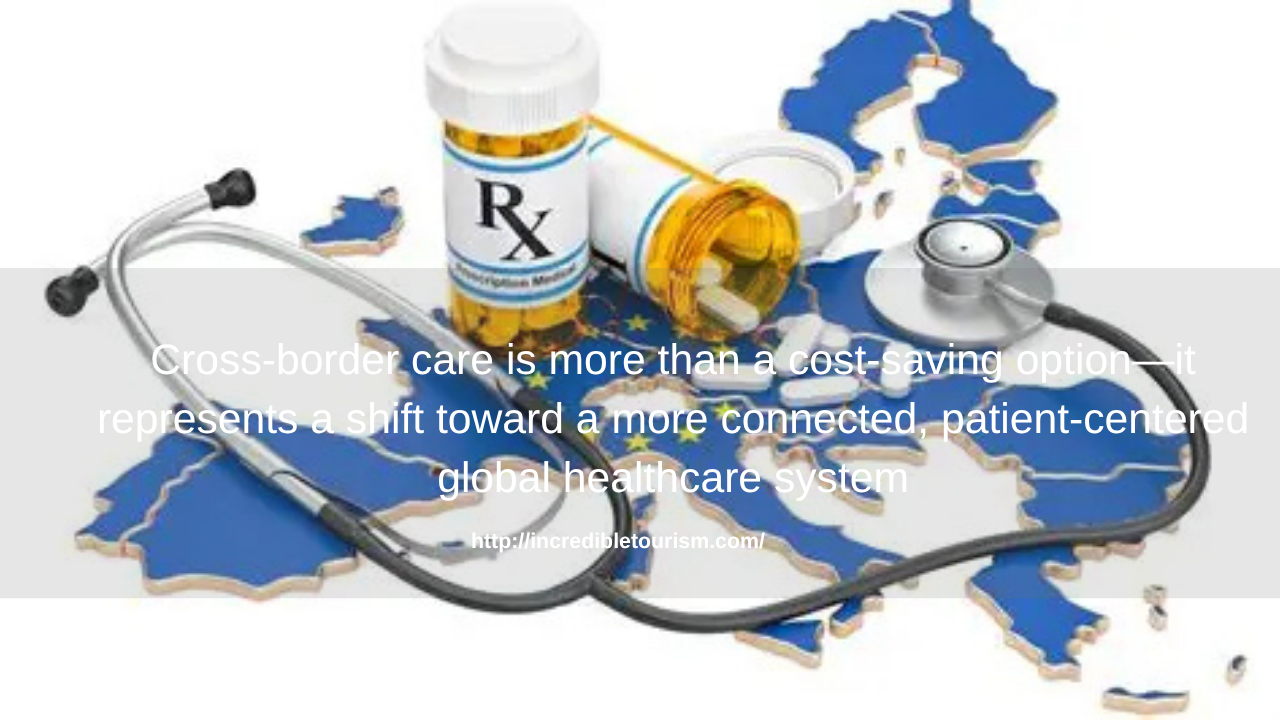
Cross-border care is more than a cost-saving option—it represents a shift toward a more connected, patient-centered global healthcare system. As technology and international collaboration continue to improve, patients will have even greater access to affordable, quality treatment—no matter where they live. For many, healing is just a passport away.

Global Healing: Why Patients Are Choosing Surgery and Recovery Abroad

In the evolving world of healthcare, an increasing number of patients are crossing borders to access surgical procedures and recovery care. What was once considered a niche practice—medical tourism—has now become a global movement. Individuals from the United States, Canada, the United Kingdom, and other countries are opting to undergo surgeries abroad, attracted by lower costs, reduced waiting times, and access to high-quality medical services. This trend, often referred to as “global healing,” is changing the way people approach surgery and recovery.

The Cost Advantage

One of the primary reasons patients choose surgery abroad is affordability. Healthcare costs in many Western countries have reached all-time highs, leaving patients burdened by medical debt or unable to afford necessary treatments. In contrast, countries like India, Thailand, Mexico, and Turkey offer advanced surgical procedures at a fraction of the price.

For example, a knee replacement surgery in the United States may cost $50,000 or more, while the same procedure in India can cost as little as $10,000, including hospital stay, medications, and follow-up care. These significant savings are often the deciding factor for patients, especially those who are uninsured or underinsured.

Access to High-Quality Care

Contrary to common misconceptions, affordable care abroad does not mean compromised quality. Many hospitals in medical tourism hotspots are accredited by international bodies such as the Joint Commission International (JCI), which ensures that facilities meet global standards for safety, hygiene, and medical excellence. These hospitals employ highly trained surgeons, many of whom have studied or practiced in the U.S. or Europe.

Advanced technology, state-of-the-art facilities, and personalized care packages further enhance the experience. Patients often receive comprehensive services that include surgery, post-operative care, rehabilitation, and accommodations, all tailored to support a smooth and effective recovery.

Shorter Waiting Times

In countries with public healthcare systems, long wait times for elective or non-emergency surgeries can be frustrating, and in some cases, dangerous. Medical tourism offers a solution by providing immediate access to surgical procedures that might otherwise take months or years to schedule. This allows patients to address their health needs without delay, improving outcomes and quality of life.

Recovery in Comfort

Another appealing aspect of medical tourism is the opportunity for patients to recover in a comfortable, stress-free environment. Many international hospitals offer recovery packages that include stays in wellness resorts, rehabilitation centers, or coastal retreats. This holistic approach to healing combines medical recovery with mental relaxation, aiding both physical and emotional well-being.

Final Thoughts

Global healing is no longer just a trend—it’s a growing solution to the challenges of modern healthcare. By choosing surgery and recovery abroad, patients gain access to affordable, high-quality medical care while enjoying the benefits of personalized treatment and stress-free recuperation. As more people learn about the safety, cost savings, and quality of international healthcare, the demand for cross-border medical solutions is set to grow, reshaping the global healthcare landscape for years to come.

Passport to Health: How International Hospitals Are Setting New Standards in Care

Healthcare has traditionally been viewed through a national lens, where the quality of care one receives is largely determined by their home country’s healthcare system. But today, international hospitals are rewriting that narrative. Around the globe, top-tier medical institutions are setting new standards in care, drawing patients from every continent and establishing themselves as pioneers of excellence, innovation, and accessibility. This global movement is not just about affordability—it’s about redefining what world-class healthcare looks like.

The Rise of Global Healthcare Institutions

Over the past two decades, an increasing number of hospitals outside North America and Europe have emerged as global leaders in specialized medical care. These institutions are combining cutting-edge technology, internationally trained professionals, and patient-first philosophies to attract medical tourists and compete on a global stage.

Countries like Singapore, India, Thailand, Turkey, and the United Arab Emirates have invested heavily in building hospital networks that rival—and in some cases surpass—those in the West. These facilities are often designed to accommodate international patients, offering services in multiple languages, concierge-style support, and comprehensive post-operative care.

What Sets These Hospitals Apart?

  1. Global Accreditation and Certification
    Many international hospitals are accredited by globally recognized organizations such as the Joint Commission International (JCI), ensuring that they meet rigorous healthcare quality and patient safety standards. These accreditations give patients peace of mind and help ensure consistent quality across borders.
  2. Integration of Hospitality and Healthcare
    International hospitals are increasingly embracing a “medical hospitality” model that treats patients not just as cases, but as guests. From luxurious hospital rooms to dedicated international patient coordinators, the experience is designed to minimize stress and promote healing in comfort.
  3. State-of-the-Art Technology
    To stay competitive, international hospitals often adopt the latest medical technology faster than their counterparts in regulated Western systems. Robotic surgery, AI-assisted diagnostics, and advanced imaging systems are just a few examples of how these institutions are staying ahead.
  4. Specialized Centers of Excellence
    Many hospitals abroad have carved out reputations as Centers of Excellence in specific medical fields—cardiology in India, cosmetic surgery in South Korea, organ transplants in Turkey, and oncology in Germany. These hospitals attract patients globally not just for affordability, but for the unparalleled quality of specialized care.

A Shift in Patient Perception

For many patients, traveling abroad for treatment is no longer a last resort—it’s a preferred option. People are increasingly aware that the best care might not always be in their home country. With transparent pricing, high success rates, and seamless coordination services, international hospitals are winning the trust of patients seeking quality, timely care.

Looking Ahead

As healthcare continues to globalize, international hospitals are leading the charge in innovation, efficiency, and patient-centered care. With governments and private sectors investing in medical tourism infrastructure, the lines between domestic and international healthcare are blurring. The passport to health is now more than a metaphor—it’s a practical gateway to advanced, personalized, and affordable treatment abroad.

Cost vs. Quality: Exploring the World’s Most Affordable and Advanced Healthcare Systems

Cost vs. Quality

In a world where healthcare costs are soaring and access to timely, quality treatment remains uneven, many individuals are looking beyond their borders for better solutions. The search often leads to a compelling question: can you really have both affordability and high-quality healthcare? Surprisingly, in many parts of the world, the answer is yes. Several countries have managed to strike a balance between cutting-edge medical innovation and cost-effective care, making them attractive destinations for patients seeking value without compromise.

The Global Disparity in Healthcare Costs

Healthcare spending in countries like the United States is among the highest globally, yet outcomes often fall short when compared to nations that spend significantly less. This disparity has led millions to explore international healthcare systems where they can receive the same—if not better—treatment at a fraction of the cost.

For instance, a heart bypass surgery that may cost upwards of $120,000 in the U.S. can be performed for $10,000–$15,000 in countries like India or Thailand, with no sacrifice in safety or expertise. This gap has fueled the rise of medical tourism and made global healthcare markets more competitive and transparent.

Countries Leading in Affordable, Advanced Care

  1. India
    India has become a global hub for medical procedures ranging from cardiac care and oncology to organ transplants and fertility treatments. The country offers JCI-accredited hospitals and world-renowned specialists trained in Western institutions—all at prices 60–80% lower than in Western countries.
  2. Thailand
    Thailand is a pioneer in blending hospitality with healthcare. With advanced medical infrastructure and internationally accredited hospitals, it’s known for procedures in cosmetic surgery, orthopedics, and dental care. Many hospitals provide luxurious patient experiences at highly competitive rates.
  3. Turkey
    Strategically located between Europe and Asia, Turkey has built a strong reputation for aesthetic procedures, ophthalmology, and robotic surgery. The government’s investment in health tourism and modern hospitals has made it a go-to for high-tech treatments at affordable costs.
  4. Mexico
    Particularly popular with patients from the U.S. and Canada, Mexico offers low-cost, high-quality care in fields such as bariatric surgery, dental work, and orthopedics. Its proximity makes travel easy, and many hospitals cater specifically to international patients.
  5. Costa Rica and Colombia
    Both countries are emerging leaders in affordable cosmetic and dental procedures. With a strong focus on patient-centered care and medical tourism, they offer quality care in modern facilities often supported by English-speaking staff.

Quality Assurance Matters

While the affordability of healthcare abroad is appealing, quality assurance is critical. Patients should seek hospitals accredited by international organizations such as the Joint Commission International (JCI) or the International Society for Quality in Health Care (ISQua). It’s also essential to research physician credentials, success rates, and aftercare services.

Final Thoughts

The assumption that low-cost care equals low quality is increasingly being challenged. Countries around the globe are proving that healthcare can be both advanced and affordable. With careful planning, due diligence, and consultation, patients can access world-class treatments without bearing crushing medical debt—highlighting a promising shift in the global healthcare landscape.

Wellness Without Borders: The Best Destinations for Alternative and Holistic Healing

As modern life becomes increasingly stressful and conventional medicine continues to rise in cost, more individuals are turning to alternative and holistic healing to restore their health and well-being. From ancient herbal therapies to modern integrative wellness retreats, the global demand for holistic treatments is surging. What’s more, people are traveling across borders to find these healing experiences in places that combine tradition, nature, and science. Welcome to the era of wellness without borders.

The Rise of Holistic Health Tourism

Holistic healing focuses on treating the mind, body, and spirit as one interconnected system. Unlike conventional medicine, which often targets symptoms, alternative therapies aim to address the root causes of imbalance—be it physical, emotional, or spiritual. Countries with rich traditions in natural medicine and spiritual practices have emerged as global wellness hubs, drawing health-conscious travelers from around the world.

Here are some of the top destinations for those seeking alternative and holistic healing:

1. India – The Birthplace of Ayurveda and Yoga

India remains a global leader in holistic healing, thanks to its 5,000-year-old Ayurvedic tradition and spiritual yoga culture. Kerala, in particular, is renowned for authentic Ayurvedic retreats that offer personalized detox programs, herbal treatments, meditation, and daily yoga sessions. Cities like Rishikesh and Goa also host spiritual centers that blend Eastern wisdom with modern wellness science.

2. Thailand – A Blend of Nature and Healing Arts

Thailand is not only famous for its tropical beauty but also its centuries-old healing traditions. Thai massage, herbal medicine, and meditation are core components of wellness offerings. Chiang Mai and Koh Samui are popular wellness destinations, with luxury spas and detox resorts offering programs that combine nutrition, mindfulness, and physical therapy in serene natural settings.

3. Bali, Indonesia – The Island of Healing Energy

Bali has earned its reputation as a sanctuary for those seeking spiritual and physical rejuvenation. The island is dotted with healing centers, yoga ashrams, and detox retreats that use Balinese therapies, energy work, herbal remedies, and sound healing. Ubud, Bali’s cultural heart, is especially popular among holistic wellness travelers for its peaceful atmosphere and community of healers.

4. Costa Rica – Nature-Based Healing and Eco-Wellness

Costa Rica’s lush rainforests and dedication to sustainability make it an ideal spot for eco-conscious healing. Wellness retreats here often incorporate outdoor activities like forest bathing, surfing, and hiking with nutrition counseling, breathwork, and energy therapies. Many resorts offer plant medicine ceremonies and integrative treatments to help restore emotional balance and vitality.

5. Peru – Sacred Rituals and Shamanic Healing

For those drawn to indigenous and spiritual healing practices, Peru offers a powerful experience rooted in Andean and Amazonian traditions. Sacred plant ceremonies like Ayahuasca, guided by experienced shamans, are increasingly sought by individuals looking for emotional breakthroughs and deep spiritual connection. Cusco and the Sacred Valley are central to these transformative journeys.

Final Thoughts

As the demand for whole-body healing grows, wellness tourism continues to thrive in destinations that honor ancient traditions and natural therapies. Whether you’re seeking physical detox, emotional healing, or spiritual growth, the world offers abundant opportunities to reconnect with yourself and find wellness—without borders. All it takes is an open heart, a passport, and a willingness to explore the path less traveled.

Bridging the Gap: Why Patients Are Choosing International Healthcare Solutions

As healthcare costs rise and access to timely, specialized care becomes increasingly difficult in many parts of the world, a growing number of patients are turning to international healthcare solutions. This trend, often referred to as medical tourism, is helping to bridge the gap between what patients need and what their domestic healthcare systems can provide. From affordability to expertise, the reasons for this shift are as practical as they are urgent.

Closing the Cost Gap

One of the primary drivers behind the move toward international healthcare is cost. In countries like the United States, Canada, and parts of Europe, even routine procedures can be prohibitively expensive. Patients without comprehensive insurance often face significant out-of-pocket expenses. In contrast, countries like India, Thailand, Mexico, and Turkey offer equivalent or superior medical services at a fraction of the cost.

For example, a heart bypass surgery that might cost over $100,000 in the U.S. can be performed in India for less than $10,000, including travel and accommodations. These savings are often the difference between getting timely care and delaying or avoiding treatment altogether.

Access to Specialized Expertise

Beyond cost, international healthcare opens doors to specialized treatments and procedures that may not be readily available at home. Some countries have developed world-class reputations in specific medical fields: South Korea excels in cosmetic and reconstructive surgery, Germany is known for cutting-edge cancer treatments and neurology, and India is a leader in cardiac and transplant surgeries.

Patients seeking innovative therapies, alternative treatments, or highly specialized surgeries often find that traveling abroad gives them access to the best practitioners in the field—many of whom have been trained in the U.S., U.K., or other Western institutions.

Escaping Long Wait Times

In publicly funded healthcare systems, long wait times for non-emergency procedures are a common frustration. Patients in countries like Canada or the U.K. can face months—even years—of delays for surgeries, diagnostics, or specialist appointments. International healthcare offers a fast-track alternative, allowing patients to receive timely and efficient care.

This immediacy can be critical not only for quality of life but also for preventing conditions from worsening during prolonged delays.

Holistic, Patient-Centered Care

Many international hospitals that cater to medical tourists emphasize holistic, patient-centered care. From the moment a patient arrives, they are often supported by dedicated care coordinators, translators, and international patient departments that manage everything from logistics to follow-up appointments.

This high level of service, combined with luxurious recovery accommodations and personalized attention, contributes to a more positive and less stressful healing process.

A Globalized Healthcare Future

The rise of international healthcare is also a reflection of our increasingly globalized world. Technological advances in telemedicine and digital health records make it easier than ever to share information across borders. More patients are realizing that quality care doesn’t have to be tied to geography—it can be accessed wherever it’s most effective and affordable.

Conclusion

International healthcare solutions are helping to close the gap between patients and the care they need. Whether driven by cost, access, or quality, the decision to seek treatment abroad is becoming more common—and more accepted—as a smart and sometimes necessary healthcare choice. For many, crossing borders is no longer a luxury, but a lifeline.