
Global Healing: Why Patients Are Choosing Surgery and Recovery Abroad

In the evolving world of healthcare, an increasing number of patients are crossing borders to access surgical procedures and recovery care. What was once considered a niche practice—medical tourism—has now become a global movement. Individuals from the United States, Canada, the United Kingdom, and other countries are opting to undergo surgeries abroad, attracted by lower costs, reduced waiting times, and access to high-quality medical services. This trend, often referred to as “global healing,” is changing the way people approach surgery and recovery.

The Cost Advantage

One of the primary reasons patients choose surgery abroad is affordability. Healthcare costs in many Western countries have reached all-time highs, leaving patients burdened by medical debt or unable to afford necessary treatments. In contrast, countries like India, Thailand, Mexico, and Turkey offer advanced surgical procedures at a fraction of the price.

For example, a knee replacement surgery in the United States may cost $50,000 or more, while the same procedure in India can cost as little as $10,000, including hospital stay, medications, and follow-up care. These significant savings are often the deciding factor for patients, especially those who are uninsured or underinsured.

Access to High-Quality Care

Contrary to common misconceptions, affordable care abroad does not mean compromised quality. Many hospitals in medical tourism hotspots are accredited by international bodies such as the Joint Commission International (JCI), which ensures that facilities meet global standards for safety, hygiene, and medical excellence. These hospitals employ highly trained surgeons, many of whom have studied or practiced in the U.S. or Europe.

Advanced technology, state-of-the-art facilities, and personalized care packages further enhance the experience. Patients often receive comprehensive services that include surgery, post-operative care, rehabilitation, and accommodations, all tailored to support a smooth and effective recovery.

Shorter Waiting Times

In countries with public healthcare systems, long wait times for elective or non-emergency surgeries can be frustrating, and in some cases, dangerous. Medical tourism offers a solution by providing immediate access to surgical procedures that might otherwise take months or years to schedule. This allows patients to address their health needs without delay, improving outcomes and quality of life.

Recovery in Comfort

Another appealing aspect of medical tourism is the opportunity for patients to recover in a comfortable, stress-free environment. Many international hospitals offer recovery packages that include stays in wellness resorts, rehabilitation centers, or coastal retreats. This holistic approach to healing combines medical recovery with mental relaxation, aiding both physical and emotional well-being.

Final Thoughts

Global healing is no longer just a trend—it’s a growing solution to the challenges of modern healthcare. By choosing surgery and recovery abroad, patients gain access to affordable, high-quality medical care while enjoying the benefits of personalized treatment and stress-free recuperation. As more people learn about the safety, cost savings, and quality of international healthcare, the demand for cross-border medical solutions is set to grow, reshaping the global healthcare landscape for years to come.
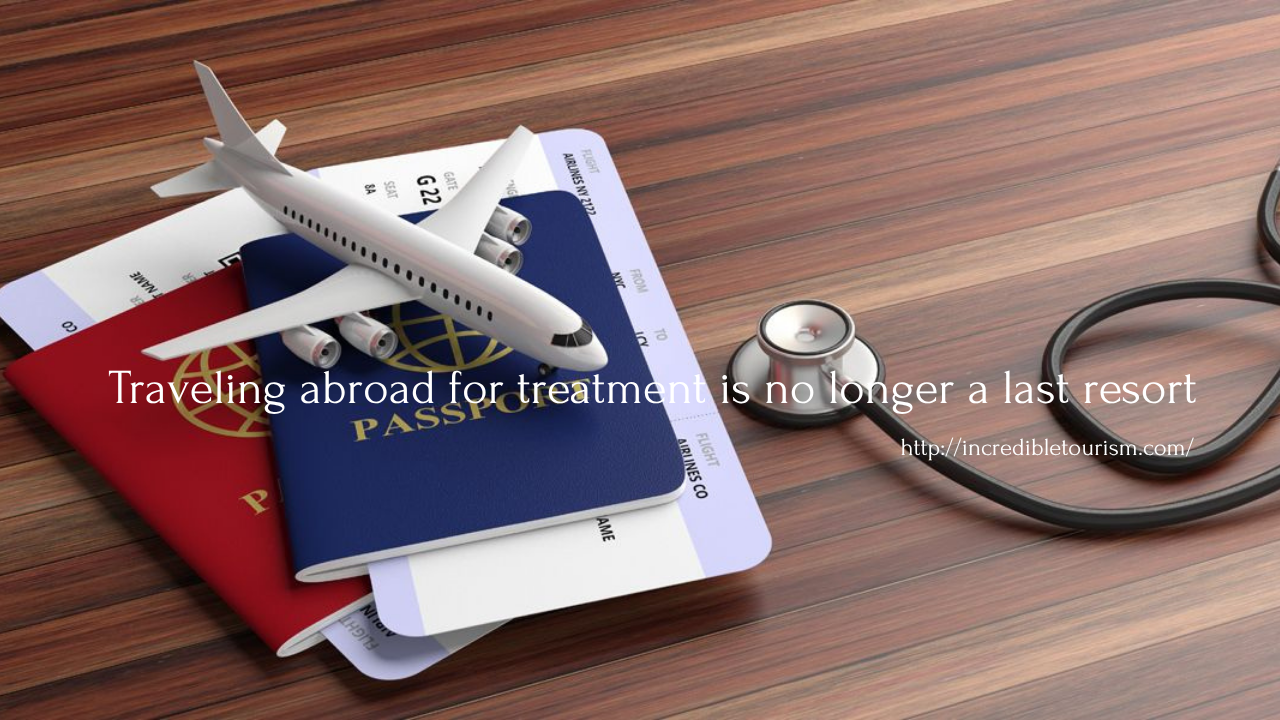
Passport to Health: How International Hospitals Are Setting New Standards in Care

Healthcare has traditionally been viewed through a national lens, where the quality of care one receives is largely determined by their home country’s healthcare system. But today, international hospitals are rewriting that narrative. Around the globe, top-tier medical institutions are setting new standards in care, drawing patients from every continent and establishing themselves as pioneers of excellence, innovation, and accessibility. This global movement is not just about affordability—it’s about redefining what world-class healthcare looks like.

The Rise of Global Healthcare Institutions

Over the past two decades, an increasing number of hospitals outside North America and Europe have emerged as global leaders in specialized medical care. These institutions are combining cutting-edge technology, internationally trained professionals, and patient-first philosophies to attract medical tourists and compete on a global stage.

Countries like Singapore, India, Thailand, Turkey, and the United Arab Emirates have invested heavily in building hospital networks that rival—and in some cases surpass—those in the West. These facilities are often designed to accommodate international patients, offering services in multiple languages, concierge-style support, and comprehensive post-operative care.

What Sets These Hospitals Apart?

  1. Global Accreditation and Certification
    Many international hospitals are accredited by globally recognized organizations such as the Joint Commission International (JCI), ensuring that they meet rigorous healthcare quality and patient safety standards. These accreditations give patients peace of mind and help ensure consistent quality across borders.
  2. Integration of Hospitality and Healthcare
    International hospitals are increasingly embracing a “medical hospitality” model that treats patients not just as cases, but as guests. From luxurious hospital rooms to dedicated international patient coordinators, the experience is designed to minimize stress and promote healing in comfort.
  3. State-of-the-Art Technology
    To stay competitive, international hospitals often adopt the latest medical technology faster than their counterparts in regulated Western systems. Robotic surgery, AI-assisted diagnostics, and advanced imaging systems are just a few examples of how these institutions are staying ahead.
  4. Specialized Centers of Excellence
    Many hospitals abroad have carved out reputations as Centers of Excellence in specific medical fields—cardiology in India, cosmetic surgery in South Korea, organ transplants in Turkey, and oncology in Germany. These hospitals attract patients globally not just for affordability, but for the unparalleled quality of specialized care.

A Shift in Patient Perception

For many patients, traveling abroad for treatment is no longer a last resort—it’s a preferred option. People are increasingly aware that the best care might not always be in their home country. With transparent pricing, high success rates, and seamless coordination services, international hospitals are winning the trust of patients seeking quality, timely care.

Looking Ahead

As healthcare continues to globalize, international hospitals are leading the charge in innovation, efficiency, and patient-centered care. With governments and private sectors investing in medical tourism infrastructure, the lines between domestic and international healthcare are blurring. The passport to health is now more than a metaphor—it’s a practical gateway to advanced, personalized, and affordable treatment abroad.