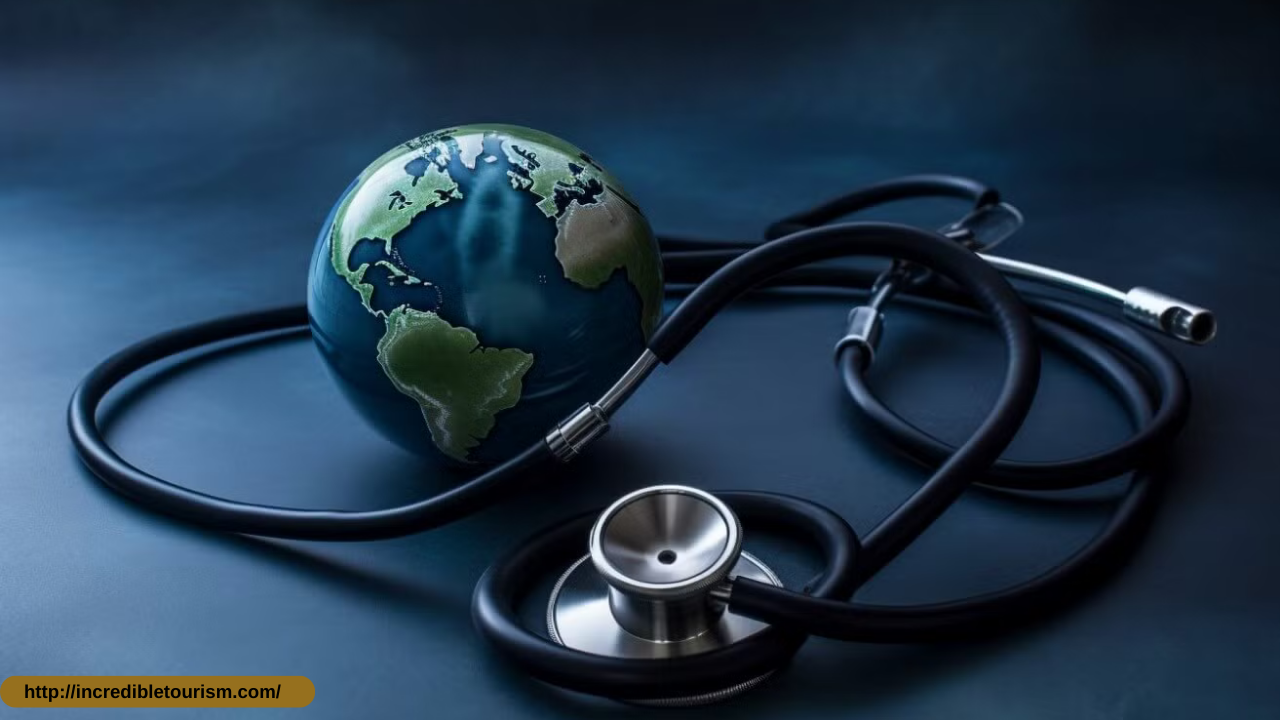
Accessing quality healthcare should be a right, not a privilege, yet many individuals face barriers due to high costs, limited access, or long waiting times. For those seeking addiction recovery, mental health treatment, or holistic wellness, international medical solutions are opening new doors. Traveling abroad for care is no longer just a cost-saving measure—it is a transformative opportunity to receive world-class treatment, personalized support, and holistic healing in environments designed for recovery and renewal.
The Rise of International Healthcare Solutions
The demand for global healthcare is growing rapidly. Patients are increasingly looking beyond their home countries for comprehensive, high-quality care that addresses both physical and mental health needs. Countries like Thailand, India, Mexico, and Turkey are becoming recognized hubs for advanced medical treatments, addiction recovery programs, and mental health services.
Global healthcare solutions allow patients to access inpatient and outpatient care, evidence-based therapy, and structured aftercare, often at a fraction of the cost of domestic treatment. Beyond affordability, these programs prioritize the whole person, integrating medical treatment with mental, emotional, and spiritual support.
Why Patients Are Choosing Treatment Abroad
1. Affordable, High-Quality Care
Medical tourism provides access to internationally accredited hospitals and clinics where patients can receive advanced treatment without financial strain. From surgical procedures to mental health programs, patients benefit from modern technology, expert physicians, and rigorous safety standards—all at a reduced cost compared to domestic options.
2. Comprehensive Holistic Healing
International medical solutions increasingly focus on holistic approaches. Addiction recovery programs often combine detoxification, counseling, therapy, nutritional guidance, and mindfulness techniques. Mental health treatment may incorporate cognitive behavioral therapy, meditation, and faith-based support. This integrative approach ensures that care addresses the whole individual, not just symptoms, fostering long-term recovery and wellness.
3. Personalized and Compassionate Care
Unlike high-volume domestic facilities, international centers often provide individualized treatment plans. Patients receive focused attention from medical professionals, enabling customized therapy schedules, close monitoring, and ongoing support. This compassionate care reduces stress, enhances engagement, and improves outcomes for those recovering from addiction or managing mental health challenges.
Top Destinations for International Recovery Programs
- Thailand: Offers world-class hospitals and serene wellness resorts that combine medical care with holistic recovery programs.
- India: Renowned for specialized treatment in addiction recovery, mental health care, and advanced medical procedures with holistic support.
- Mexico: A convenient option for North American patients seeking affordable treatment combined with personalized care.
- Turkey: Provides cutting-edge medical procedures integrated with wellness-focused programs for a complete recovery experience.
Planning Your Global Recovery Journey
Before embarking on a medical journey abroad, thorough research is essential. Patients should confirm hospital accreditation, review physician qualifications, and evaluate the range of services offered. Medical travel insurance is highly recommended to protect against unforeseen complications. For addiction and mental health care, structured aftercare is critical to ensure long-term success and prevent relapse.
A New Era of Healing and Renewal
International medical solutions are redefining recovery by making safe, effective, and compassionate care accessible to all. Traveling abroad allows patients to combine affordability with holistic, personalized programs designed to restore health and wellness.
If you or a loved one are considering addiction recovery, mental health treatment, or comprehensive wellness care, Incredible Tourism can guide you to trusted international providers. Take the first step toward lasting transformation and explore how global healthcare solutions can support your journey to recovery.