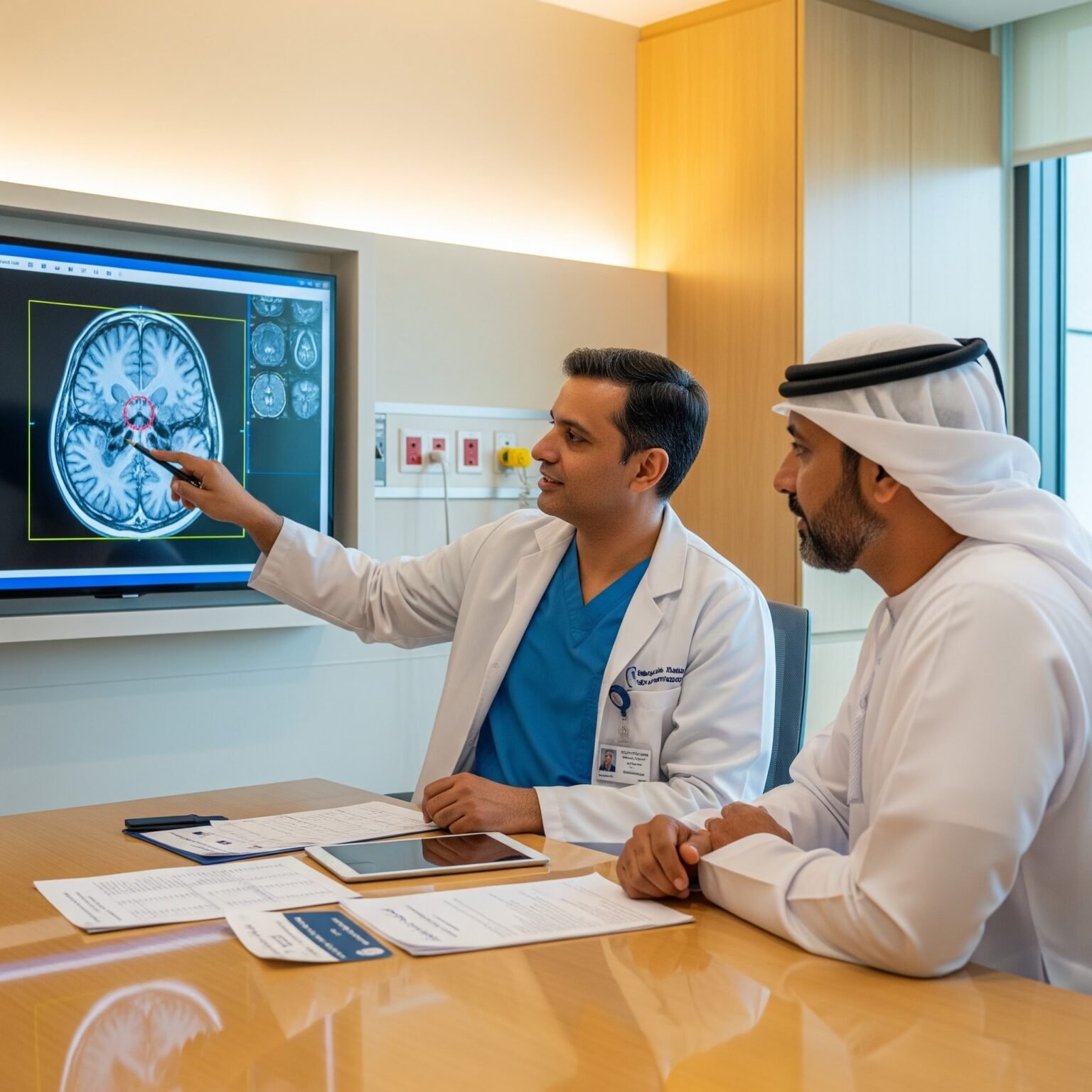
Finding effective addiction treatment can be challenging, especially when the programs available close to home do not match your clinical needs, personal values, or preferred approach to recovery. When local options fall short, medical tourism can provide another path to care. By exploring qualified treatment providers in other countries, individuals can potentially access specialized addiction recovery services, mental health treatment, inpatient and outpatient programs, holistic therapies, and individualized care in environments designed to support meaningful change.
Seeking treatment abroad is not simply about traveling to a different destination. It is about expanding your options and finding a treatment environment where you feel supported, respected, and understood. With careful research and appropriate professional guidance, international medical tourism can help individuals discover recovery programs that address the whole person and provide a strong foundation for long term wellness.
Why Local Treatment Options May Not Meet Every Need
Local treatment can be effective for many people. However, availability and specialization vary significantly between communities. Some individuals may find that nearby programs have limited treatment schedules, long waiting periods, few specialized services, or approaches that do not align with their recovery goals.
Limited Access to Specialized Programs
Addiction can take many forms, and treatment needs vary accordingly. Someone recovering from alcohol addiction may require a different approach from someone dealing with opioid dependence, prescription medication misuse, or multiple substances.
Similarly, individuals with co-occurring mental health conditions may need specialized dual diagnosis treatment. If a local facility does not provide appropriate psychiatric or behavioral health services, exploring qualified providers elsewhere may be worth considering.
Treatment Should Fit the Individual
Recovery is not a one size fits all process. A treatment program should consider a person’s substance use history, physical health, mental health, family circumstances, lifestyle, and personal goals.
When local programs offer limited choices, medical tourism can expand the pool of providers available for consideration.
How Medical Tourism Can Expand Recovery Options
International medical tourism allows individuals to explore treatment programs beyond their immediate geographic area. Depending on the destination and provider, available services may include medically supervised detox, residential rehabilitation, outpatient counseling, psychiatric care, family therapy, holistic wellness programs, and aftercare.
More Opportunities for Personalized Treatment
A broader selection of providers can make it easier to identify a program that reflects an individual’s needs.
For example, one person may benefit from intensive inpatient treatment, while another may need outpatient counseling combined with ongoing mental health support. Some individuals may also prefer a treatment environment that incorporates spirituality, wellness, or nature based activities.
The goal is not simply to find treatment in another country. The goal is to find appropriate treatment in an environment that supports recovery.
Specialized Mental Health Care Matters
Addiction and mental health are often closely connected. Depression, anxiety, trauma, stress, and other psychological concerns can contribute to substance use or make recovery more difficult.
The Value of Dual Diagnosis Treatment
A comprehensive treatment provider should assess mental health alongside addiction rather than treating each concern separately.
Dual diagnosis programs may include psychotherapy, psychiatric evaluations, behavioral therapies, medication management when clinically appropriate, and addiction counseling.
This integrated approach helps clients understand the factors behind substance use while developing healthier coping strategies for emotional and psychological challenges.
Addressing Underlying Issues
Long term recovery often requires more than managing cravings. Individuals may need to work through trauma, relationship difficulties, grief, low self-esteem, or chronic stress.
Professional therapy can provide a safe environment for exploring these issues and developing practical skills for handling them without relying on substances.
What to Look for in Specialized Recovery Care
Choosing a treatment center abroad requires careful evaluation. The destination itself should never be the main reason for selecting a program.
Qualified Professionals and Clinical Standards
Start by examining the credentials of the treatment provider. Look for appropriately licensed physicians, therapists, nurses, counselors, psychiatrists, and other healthcare professionals.
Ask whether the facility follows recognized clinical and safety standards. It should also have clear procedures for medical emergencies and changes in a client’s condition.
Individualized Treatment Plans
A reputable treatment provider should complete a thorough assessment before developing a treatment plan.
Individualized care may include a combination of therapies and services selected according to the client’s needs. As progress is made, the plan should be reviewed and adjusted when appropriate.
A Continuum of Care
Recovery does not end when residential treatment is complete. Look for providers that offer or coordinate different levels of care.
A comprehensive recovery journey may include detoxification, inpatient treatment, outpatient services, continuing therapy, relapse prevention, and aftercare.
The Benefits of Inpatient Treatment Abroad
For individuals who need a highly structured environment, international inpatient treatment can provide an opportunity to step away from familiar triggers and focus entirely on recovery.
Creating Distance From Unhealthy Patterns
Returning to the same environment associated with substance use can make early recovery difficult. Traveling to a different setting may provide physical and emotional space to establish healthier routines.
Residential programs can offer structured schedules, therapy, peer support, wellness activities, and professional supervision throughout the day.
This environment can help clients focus on recovery without many of the distractions and pressures of everyday life.
Outpatient Treatment Can Support Continued Recovery
Not everyone requires residential care. Outpatient treatment can provide ongoing professional support while allowing individuals to maintain greater independence.
Building Skills for Everyday Life
Outpatient services may include individual counseling, group therapy, psychiatric care, family counseling, and relapse prevention education.
For individuals transitioning from inpatient care, outpatient treatment can provide an important bridge between intensive rehabilitation and everyday life.
Holistic Care Supports the Whole Person
Addiction affects the body, mind, emotions, relationships, and sense of purpose. For this reason, many treatment programs incorporate holistic services alongside clinical care.
Wellness as Part of Recovery
Depending on the provider, holistic services may include:
- Nutrition education
- Exercise and fitness
- Meditation and mindfulness
- Yoga
- Art and music therapy
- Nature based activities
- Stress management
- Wellness coaching
These approaches can complement professional treatment by helping individuals develop healthier habits and discover constructive ways to manage stress.
Faith Based Treatment Can Add Meaning
For people who value spirituality, faith can be an important source of strength during recovery.
Connecting Recovery With Personal Beliefs
Faith based programs may incorporate prayer, spiritual counseling, scripture study, worship, or other practices consistent with an individual’s beliefs.
When combined with qualified addiction and mental health treatment, spiritual support can help individuals explore hope, purpose, forgiveness, and personal responsibility.
The most appropriate program is one that respects the individual’s beliefs and provides spiritual support by choice rather than assumption.
How to Prepare for Treatment Abroad
Medical tourism requires more planning than selecting a local treatment provider. Before traveling, individuals should understand the clinical program, costs, travel arrangements, insurance considerations, medications, and admission requirements.
Ask Questions Before You Commit
Important questions include:
- What qualifications do the clinical staff have?
- What addiction and mental health services are provided?
- Is medically supervised detox available if needed?
- What levels of care are offered?
- How are emergencies handled?
- How is treatment individualized?
- Can family members participate?
- What does the program cost?
- What happens after discharge?
- How will continuing care be coordinated at home?
It is also wise to discuss the decision with appropriate healthcare professionals, particularly when significant medical or psychiatric needs are involved.
Aftercare Is Part of the Treatment Journey
One of the most important considerations when choosing an international recovery program is what happens after treatment ends.
Building a Long Term Recovery Plan
Effective aftercare may include continued counseling, support groups, medication follow up when appropriate, family involvement, relapse prevention strategies, and connections with local recovery resources.
A strong treatment provider should help clients prepare for the transition home before discharge.
Conclusion: Expanding Your Options Can Open a New Path Forward
When local treatment options do not provide the specialized care you need, looking beyond your immediate community can be a reasonable step. Medical tourism can connect individuals with international addiction recovery and mental health programs that offer specialized services, individualized treatment, inpatient and outpatient care, holistic wellness, and faith based support.
However, choosing treatment abroad requires thoughtful research. Focus on clinical quality, professional credentials, patient safety, personalized care, and long term support rather than simply choosing an attractive destination.
At Incredible Tourism, exploring recovery options should begin with understanding what you need and finding a treatment environment that respects your goals, values, and circumstances. If you or someone you love is ready to seek help, consider the full range of qualified treatment possibilities available. The right program can provide more than a change of location. It can provide the professional support, structure, and renewed confidence needed to move toward lasting recovery.