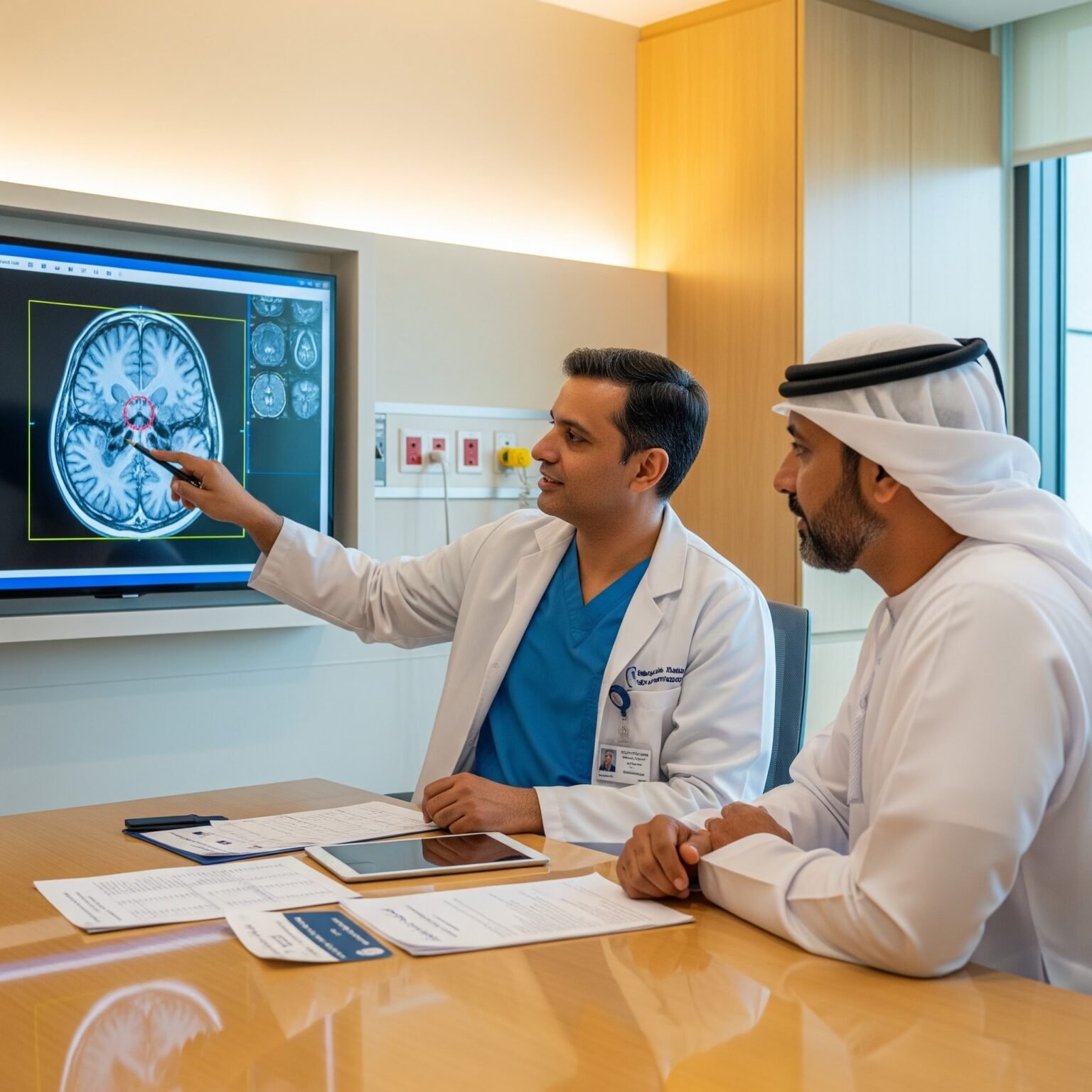
Choosing to seek help for addiction is one of the most important decisions a person can make. Yet finding the right treatment program is not always simple. Local options may not offer the level of specialization, privacy, treatment philosophy, or supportive environment that an individual needs. For some people, exploring medical tourism can open the door to carefully selected addiction recovery and mental health programs in other parts of the world. Traveling for treatment can provide access to different levels of care, specialized professionals, holistic services, and individualized recovery plans while giving clients the space to focus on healing.
International treatment should never be viewed as a quick escape or a guarantee of better results. Instead, it should be approached as another option for finding appropriate, qualified care. With thoughtful research and professional guidance, medical tourism can help individuals explore treatment environments that align with their clinical needs, personal values, and long-term recovery goals.
Why Consider Addiction Treatment Abroad?
Addiction is a complex condition that can affect physical health, emotional well-being, relationships, work, and family life. Effective treatment therefore needs to address more than substance use alone.
For some individuals, traveling abroad provides an opportunity to step away from familiar routines and focus more fully on recovery. A new environment can create distance from people, places, and patterns associated with substance use. More importantly, it can provide an opportunity to establish healthy routines in a structured and supportive setting.
Access to Different Treatment Options
Treatment availability varies from one location to another. International medical tourism can expand the number of programs an individual can consider.
Depending on personal needs, treatment may include:
- Medically supervised detoxification
- Residential inpatient rehabilitation
- Outpatient addiction treatment
- Individual and group therapy
- Dual diagnosis treatment
- Family counseling
- Relapse prevention planning
- Continuing care and aftercare
- Holistic wellness services
- Faith-based recovery support
Having more options can make it easier to find a program that fits a person’s circumstances rather than trying to adapt to a program that does not.
Mental Health and Addiction Often Need to Be Treated Together
Addiction frequently exists alongside mental health concerns. Depression, anxiety, trauma, stress, and other psychological challenges can influence substance use and make recovery more complicated.
The Importance of Dual Diagnosis Care
A quality treatment program should evaluate both addiction and mental health rather than treating them as completely separate concerns.
Dual diagnosis care may involve psychiatric assessment, psychotherapy, medication management when clinically appropriate, behavioral therapies, and addiction counseling. Addressing these issues together can help individuals understand the factors contributing to substance use and develop healthier ways to respond to emotional challenges.
This integrated approach is especially important for people who have tried treatment before but struggled to maintain progress.
Finding a Treatment Environment That Fits
Traveling internationally does not automatically make a treatment program effective. The quality and suitability of the provider remain the most important considerations.
Look Beyond the Destination
A beautiful location can create a peaceful atmosphere, but scenery should never be the primary reason for selecting a treatment center. Clinical qualifications, treatment methods, staff credentials, patient safety, and continuity of care should come first.
Before choosing a provider, ask:
- Is the facility appropriately licensed and accredited?
- Are qualified addiction and mental health professionals involved in treatment?
- Does the program offer care appropriate for the individual’s condition?
- Is there medical support when needed?
- Are treatment plans individualized?
- How does the facility handle emergencies?
- What happens after the program ends?
- Can the provider explain the costs and services clearly?
These questions help separate a genuinely qualified treatment provider from a program that simply promotes an appealing destination.
The Value of Individualized Addiction Recovery
No two recovery journeys look exactly alike. A treatment plan should reflect the person’s substance use history, physical health, mental health needs, family circumstances, personal values, and goals.
Personalized Treatment Creates a Stronger Foundation
An individualized program may combine several approaches. One person might benefit from intensive inpatient treatment and trauma-focused therapy, while another may require outpatient counseling and ongoing psychiatric support.
Personalized care also allows treatment to evolve. As someone becomes more stable and develops stronger coping skills, the intensity and type of support can change.
The goal is not simply to complete a program. The goal is to develop practical skills and a sustainable recovery plan for life after treatment.
Holistic Approaches Can Complement Clinical Care
Addiction affects the whole person. Therefore, recovery can benefit from strategies that support physical, emotional, social, and spiritual wellness alongside professional treatment.
Supporting Mind and Body
Depending on the provider, holistic services may include mindfulness, meditation, exercise, nutritional guidance, yoga, creative activities, nature-based experiences, or wellness education.
These approaches should complement qualified clinical treatment rather than replace it. When thoughtfully integrated, they can give clients additional tools for managing stress, improving self-awareness, and developing healthier routines.
Faith-Based Recovery Can Provide Meaning and Hope
For people who value spirituality, faith can be an important part of recovery. Some international treatment programs incorporate Christian or other faith-based approaches into their services.
Connecting Recovery With Personal Values
Faith-based treatment may include prayer, spiritual counseling, scripture study, worship, or other practices consistent with an individual’s beliefs.
The most supportive approach respects personal choice. Spiritual care should work alongside professional addiction and mental health treatment while helping individuals explore purpose, forgiveness, hope, and personal responsibility.
Inpatient and Outpatient Care Around the World
International treatment is not limited to residential rehabilitation. Depending on the provider and the individual’s needs, both inpatient and outpatient options may be available.
When Inpatient Care May Be Appropriate
Residential treatment provides a structured environment where individuals can focus on recovery without many of the distractions and triggers found at home.
It may include therapy, medical monitoring, group support, educational sessions, wellness activities, and recovery planning.
The Role of Outpatient Treatment
Outpatient programs offer continued professional support while allowing individuals to maintain greater independence. This can be useful for people who have completed residential treatment or whose clinical needs do not require 24 hour supervision.
The appropriate level of care should be determined through a professional assessment rather than based solely on personal preference.
Planning for Safe Medical Tourism
Traveling for addiction treatment requires preparation. Before making arrangements, discuss the plan with qualified healthcare professionals and the prospective treatment provider.
Consider Health, Travel, and Financial Needs
Important considerations include travel documents, medical records, medications, insurance, treatment costs, transportation, emergency procedures, and communication with family members.
It is also important to understand how care will continue after returning home. Recovery should not stop at the airport. A strong discharge and aftercare plan can help connect international treatment with local counseling, support groups, healthcare providers, or other community resources.
Recovery Does Not Have to Be Limited by Geography
Medical tourism can expand the possibilities available to people seeking addiction recovery and mental health care. However, the most important factor is not how far someone travels. It is whether the treatment provider offers safe, qualified, compassionate, and individualized care.
For someone who has struggled to find the right fit locally, exploring reputable international treatment options may provide a valuable new path. With careful research, appropriate clinical guidance, and a clear plan for continuing care, treatment abroad can become part of a thoughtful recovery strategy.
Take the Next Step Toward Recovery
You do not have to navigate addiction recovery alone, and you do not have to assume that your current options are the only options available. Exploring reputable treatment programs around the world can help you identify care that reflects your clinical needs, personal preferences, and vision for a healthier future.
At Incredible Tourism, the focus should always remain on informed choices, compassionate support, and finding treatment that fits the individual. If you or someone you love is ready to explore addiction recovery or mental health treatment, take the next step by researching qualified providers, asking important questions, and seeking professional guidance. The right treatment environment can provide more than a temporary change of scenery. It can offer the support, structure, and renewed sense of possibility needed to begin building lasting recovery.